Herbal Sleep Helpers: How to Use Them Safely 2026
Breadcrumb
What are herbal sleep helpers, and what should you expect?
Herbal sleep helpers are plant-based options people use to support relaxation before bed. The most common choices are chamomile, lemon balm, and valerian, each with a slightly different feel. Some people find chamomile gentle and calming, lemon balm helpful when stress keeps the mind busy, and valerian more suited to occasional nights when switching off feels difficult. None of them acts like a prescription sedative, so realistic expectations matter.
For most people, the main benefit is not instant knockout sleep. Instead, these herbs may help you feel calmer, reduce bedtime tension, or make it easier to settle into a routine that supports better rest. That makes them more useful as part of a broader evening plan than as a standalone fix. If you want the wider context for choosing non-prescription options, natural sleep aids overview: what works and what to expect gives a solid starting point.
A health-conscious adult might use herbal sleep helpers to replace late-evening stimulation and create a gentler wind-down. A parent managing broken evenings may value something simple, like a tea ritual, that feels low effort. Older adults often look for options that seem less heavy than stronger sleep aids, but they should be especially careful about interactions with regular medicines.
The key is to match the herb to the problem you are actually trying to solve: stress, restlessness, bedtime routine inconsistency, or difficulty unwinding.
How do chamomile, lemon balm, and valerian differ?
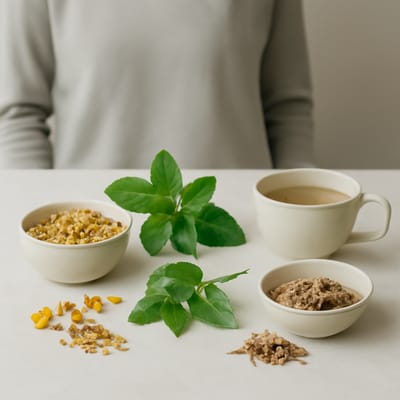
These three herbs are often grouped together, but they are not interchangeable.
Chamomile
Chamomile is usually the gentlest option. It is commonly taken as tea and is best thought of as a wind-down herb. It may help ease mild tension and support a calmer transition into bed. It suits people whose main issue is feeling mentally “on” late in the evening rather than severe sleep disruption.
Lemon balm
Lemon balm is often used when stress, irritability, or a busy mind gets in the way of sleep. Some people prefer it in tea, while others choose capsules or tinctures. It can fit well into a routine for adults who notice that work stress follows them into the bedroom.
Valerian
Valerian tends to be the strongest-feeling option of the three. It is more often chosen for occasional use when falling asleep feels unusually difficult. Some people find it useful; others dislike the smell, taste, or next-morning heaviness. That mixed experience is one reason it helps to start low and avoid taking too much too soon.
A simple way to think about it is this:
- Chamomile: gentle relaxation
- Lemon balm: calm for a racing mind
- Valerian: stronger support for settling down
If you are comparing broader options beyond herbs alone, the topic of herbal versus non-herbal sleep aids deserves separate consideration because the trade-offs can be quite different.
How should you use herbal sleep helpers at night?
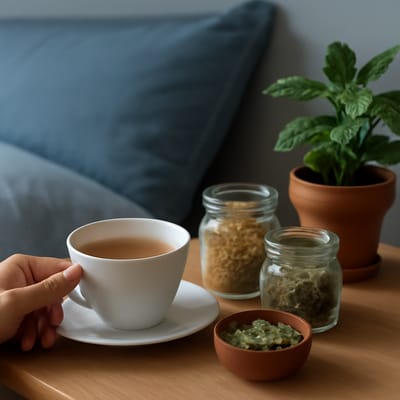
The safest approach is to use one herbal sleep helper at a time and keep the rest of your evening consistent. That helps you notice what is actually working.
Start with timing
Most people use herbal options 30 to 60 minutes before bed. Teas naturally create a slower ritual, while capsules and tinctures may feel more convenient if you want a more exact routine. Try to take them at the same time for several nights before judging the result.
Pick the simplest format first
- Tea works well for chamomile and lemon balm
- Capsules are easier if you want consistency
- Tinctures can be useful when you prefer flexible dosing
Keep your sleep window stable
Herbs work better when paired with basic sleep habits. Dim lights, reduce screen exposure, and avoid a heavy meal or alcohol close to bedtime. The same principle appears in natural sleep aids overview: what works and what to expect, where the bigger picture matters as much as the product itself.
Parents often do best with the lowest-friction option, such as pre-portioned tea or a simple capsule routine after the household settles. Health-conscious adults may prefer tracking how they feel over 7 to 14 nights, especially if they already monitor caffeine, exercise, or meal timing. If you travel often or deal with shifting schedules, broader night-time routine changes may matter just as much as the herb you choose.
Avoid stacking several new remedies on the same night. If you change everything at once, you will not know what helped or what caused side effects.
What are the safety points and common mistakes to avoid?
Natural does not always mean risk-free. Herbal remedies for bedtime can still cause side effects, interact with medicines, or simply be a poor fit for your body.
Watch for interactions
This matters especially if you take medicines for anxiety, mood, blood pressure, seizures, or sleep. Older adults should be particularly cautious, because sensitivity to sedation and dizziness can be higher. If you already take several regular medicines, it is wise to ask a pharmacist or GP before trying valerian or combining multiple calming products.
Common mistakes
- Taking too much on the first night
- Mixing herbs with alcohol
- Combining several sleep aids without guidance
- Expecting instant, dramatic results
- Using them while ignoring caffeine, stress, or poor bedtime timing
Know when to stop
Stop using a herbal sleep helper if you notice worsening sleep, vivid dreams that bother you, morning grogginess, stomach upset, headaches, or a “hungover” feeling the next day. Valerian is the herb most likely to feel too heavy for some people.
It also helps to think beyond the bottle or tea bag. If your sleep problem has lasted for weeks, comes with loud snoring, frequent waking, breath pauses, or daytime exhaustion, a routine-only approach may not be enough. In those cases, herbal options may play a small role, but they should not delay proper assessment.
Used thoughtfully, herbal sleep helpers can be a reasonable part of a non-prescription approach. Used casually, they are often disappointing because the underlying cause of poor sleep stays unaddressed.
How can you tell whether an herbal sleep helper is working?
The best test is a short, structured trial. Give one herb 1 to 2 weeks unless you have side effects sooner. Your goal is not to chase perfect sleep after one cup of tea or one capsule. Instead, look for meaningful changes in how easily you unwind, how long it takes to fall asleep, and how you feel the next morning.
Track a few simple signals
Write down:
- What you took and when
- How long it took to fall asleep
- Number of night wakings
- Morning alertness
- Any side effects
That kind of note-taking is useful for nearly everyone. A health-conscious adult may already use app-based sleep data, but even a basic paper log can show patterns. Parents may notice that “worked” really means feeling calmer before bed, even if the whole night is still shaped by childcare interruptions. Older adults may care most about whether the herb supports rest without causing next-day unsteadiness.
If you see modest improvement with good tolerability, keep the routine simple. If there is no clear change after a fair trial, switch strategy rather than adding more and more products. Natural sleep aids overview: what works and what to expect can help you place herbs alongside other non-prescription choices without overcomplicating your night.
The most effective long-term approach usually combines the right aid with better timing, realistic expectations, and a repeatable evening routine. That is also what makes later troubleshooting far easier if sleep stalls again.
Frequently asked questions about herbal sleep helpers
Which herbal sleep helper is best for beginners?
Chamomile is often the easiest place to start because it is generally gentle and widely used as a bedtime tea. If your main issue is stress or a busy mind, lemon balm may also be worth considering.
How long do chamomile, lemon balm, or valerian take to work?
Many people use them 30 to 60 minutes before bed. Some notice a calming effect the same night, but more reliable judgment usually comes after several nights of consistent use.
Can parents use herbal sleep helpers when evenings are unpredictable?
They can fit into a disrupted routine, but simplicity matters. A low-effort option such as chamomile tea or a single product used consistently is usually more practical than combining several remedies.
Are herbal sleep remedies a good option for health-conscious adults tracking sleep?
Yes, especially if you track a few basic measures like sleep onset, night wakings, and morning alertness. That makes it easier to see whether the herb is helping or whether lifestyle factors are doing most of the work.
Should older adults be careful with valerian?
Yes. Older adults may be more sensitive to next-day grogginess, dizziness, or interactions with regular medicines, so it is sensible to start cautiously and check with a pharmacist or GP.
Can you combine chamomile, lemon balm, and valerian together?
It is better to start with one herb at a time. Combining several products makes side effects harder to spot and makes it difficult to tell what is actually helping.
When should you stop self-managing sleep with herbs?
If poor sleep is persistent, severe, or linked with snoring, breathing pauses, low mood, pain, or heavy daytime fatigue, get medical advice. Herbal sleep helpers may support relaxation, but they should not replace proper assessment when symptoms suggest a bigger issue.