Deep Sleep Optimization: UK Adult Guide 2026
Breadcrumb
What does deep sleep optimization actually mean?
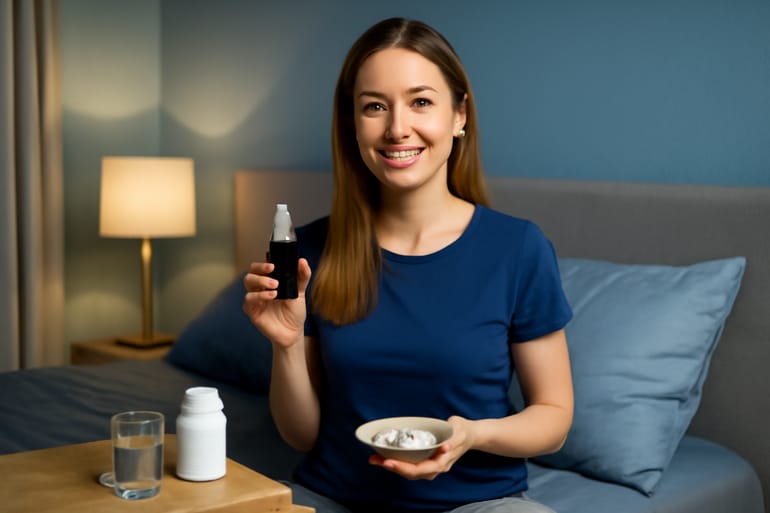
Deep sleep optimization means improving the conditions that help your body reach and maintain restorative sleep more consistently. For most UK adults, that does not start with one miracle product. It starts with a practical night-time stack: better sleep habits, targeted natural sleep aids, smarter evening nutrition, and simple tracking that helps you see what is changing over time.
Deep sleep matters because it supports physical recovery, memory processing, immune function, and next-day energy. Yet many people focus only on total sleep time and ignore the quality of the hours they get. If you fall asleep quickly but wake unrefreshed, or if your schedule is irregular and your evenings are overstimulating, your deep sleep may be part of the issue.
This guide is designed to help you connect the pieces. A health-conscious adult may want to test one supplement while monitoring bedtime consistency. A parent might need low-friction routine adjustments that work in a noisy household. An older adult may be more interested in gentle herbal support, ingredient safety, and avoiding next-day grogginess.
The goal is not perfection. It is to build a repeatable system that improves your odds of deeper, steadier sleep. In many cases, small changes in timing, routine, light exposure, and sleep support choices can produce more useful results than constantly switching products.
How do you build a practical night-time optimization stack?
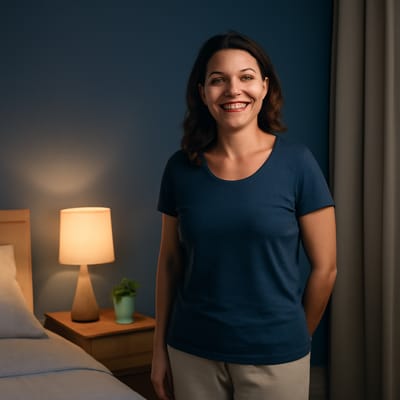
A strong night-time sleep routine works like a foundation. It lowers the barriers that prevent good sleep before you add any supplement or device. If you skip this step, even the most promising sleep aid may underperform.
Core elements of a useful stack
- Keep a stable bedtime and wake time, including weekends when possible.
- Dim bright lights in the last hour before bed.
- Reduce stimulating phone use, work, and intense exercise late at night.
- Watch evening caffeine, alcohol, and heavy meals.
- Add one support tool only after your basics are in place.
This layered approach is often the most sustainable. Parents dealing with unpredictable evenings may need a shorter wind-down routine they can repeat even on busy nights. Health-conscious readers may prefer a more structured stack that includes meal timing, supplement testing, and app-based tracking. Older adults often benefit from focusing on comfort, consistency, and low-risk adjustments first.
Natural support can then sit on top of that base. For a broader look at the main options, natural sleep aids overview: what works and what to expect explains how common non-prescription approaches differ and what results are realistic. Topics such as herbal sleep helpers, night-time routine optimization, and travel support for jet lag also fit naturally into this wider system, even though each deserves its own dedicated discussion.
Which natural sleep aids and foods are worth considering?
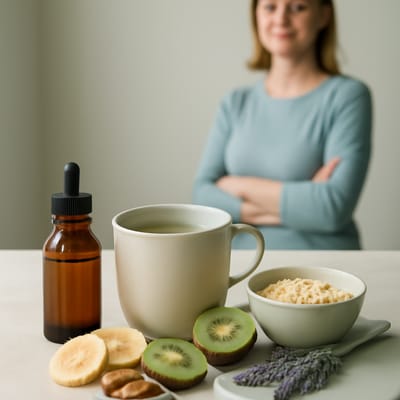
The best sleep optimization plan usually combines routine changes with one carefully chosen aid or nutrition strategy. The right option depends on why your sleep is off.
Common natural options
- Herbal sleep helpers such as chamomile, lemon balm, and valerian are often used when stress or restlessness is the main problem.
- Magnesium for sleep may be useful if low intake, tension, or evening relaxation is part of the picture.
- Melatonin-supporting foods and meal timing can help reinforce your body clock, especially when your routine has drifted later.
What to expect from foods and supplements
Natural products usually support sleep indirectly. They may help you feel calmer, reduce bedtime friction, or improve the consistency of your sleep signals. They are less likely to create sudden dramatic change on their own.
Safety still matters. In the UK, it makes sense to check ingredient labels carefully, avoid mixing several new products at once, and be more cautious if you are pregnant, breastfeeding, taking medication, or managing a long-term condition. That is particularly important for older adults who may be more vulnerable to interactions or next-day drowsiness.
A simple rule helps: match the tool to the problem. Stress-related wakefulness points you in one direction, poor evening habits in another, and nutritional gaps in another. Good choices feel targeted, not random.
How can sleep tracking help you improve deep sleep?
Sleep tracking apps and wearable data can be useful, but only if you treat them as guidance rather than absolute truth. Consumer tools estimate sleep stages using movement, heart rate trends, and timing patterns. They can highlight habits that may affect deep sleep, even if they do not measure it with clinical precision.
What tracking is good for
- Spotting inconsistent bedtimes and wake times
- Noticing how alcohol, caffeine, or late meals affect your nights
- Comparing how you feel against app-reported sleep patterns
- Testing whether one routine or supplement change helps over 2 to 4 weeks
What tracking can miss
- The exact accuracy of deep sleep estimates
- Breathing-related sleep issues that need medical assessment
- Why you feel tired despite “good” numbers
For data-minded readers, tracking creates accountability. For parents with limited time, it can reveal whether bedtime changes are helping enough to keep going. For older adults, simple logs can be just as useful as more complex devices, especially if they reduce confusion rather than add to it.
The key is to pair numbers with context. If your app shows slightly better sleep after a calmer evening and more consistent timing, that pattern is more useful than chasing perfect scores. Data should support decisions, not create anxiety.
What can you learn from home sleep data without overreading it?
Home sleep analysis is most useful when you look for trends instead of obsessing over one bad night. A single score can be misleading. A two-to-four-week pattern tells you much more about whether your routine, food timing, or sleep aid choice is working.
Look for patterns such as
- Bedtime drifting later across the week
- More waking after alcohol or heavy meals
- Better nights after regular wind-down habits
- Poorer mornings after inconsistent supplement use
- Large gaps between app data and how rested you feel
That last point matters. If your tracker says your sleep was fine but you feel exhausted, consider other factors such as snoring, breathing pauses, stress, pain, or medication timing. Deep sleep is only one piece of recovery.
Commercially, many readers are tempted to solve every problem with a new product. A better approach is to use home data to narrow your next move. You might decide to test magnesium timing, simplify your evening routine, or compare one herbal option instead of buying multiple supplements at once. That is a smarter path to both better outcomes and better value.
If symptoms are severe or persistent, home data should not delay professional advice. Loud snoring, gasping, major daytime sleepiness, or long-term insomnia deserve medical attention rather than endless self-experimentation.
What 2 to 4 week plan gives you the best chance of better sleep?
The most effective deep sleep plan is usually simple enough to follow and structured enough to measure.
Week 1: Stabilize the basics
- Fix your bedtime and wake time as closely as possible.
- Reduce bright screens and stimulation in the final hour.
- Cut late caffeine and review alcohol intake.
- Track sleep timing, night wakings, and morning energy.
Week 2: Add one support tool
- Test one natural sleep aid, magnesium approach, or food-timing change.
- Keep everything else steady so you can judge the effect clearly.
Weeks 3 to 4: Review and refine
- Continue what seems helpful.
- Stop what adds cost or complexity without clear benefit.
- Watch for patterns in deep sleep estimates, sleep onset, and how refreshed you feel.
This method suits different people in different ways. A parent may keep the plan minimal and repeatable. A health-conscious adult may use tracking data to guide careful changes. An older adult may prioritise safety, routine comfort, and gradual adjustments over aggressive testing.
If you want a starting point for the supplement side of the plan, natural sleep aids overview: what works and what to expect gives a practical overview of common options. Over time, related topics like herbal remedies, herbal versus non-herbal comparisons, and jet lag support can help you tailor the stack further.
FAQ: deep sleep optimization for UK adults
What is the fastest natural way to improve deep sleep?
For most people, the fastest improvement comes from combining a consistent bedtime, less evening light exposure, and one targeted natural support option if needed. Quick wins usually come from reducing the things that disturb sleep rather than adding several products at once.
Which natural sleep aids are most popular in the UK?
Common choices include herbal sleep helpers such as chamomile, lemon balm, and valerian, plus magnesium-based sleep support. Popularity does not guarantee effectiveness, so it is better to match the option to your actual sleep problem.
Should health-conscious adults track deep sleep with an app?
Sleep tracking can be helpful if you use it to spot trends, test changes, and compare data with how you feel. It becomes less useful when it creates stress or pushes you to chase perfect scores instead of better habits.
What should parents do first before trying natural sleep aids?
Parents usually benefit most from improving the evening environment, reducing stimulation, and creating a repeatable bedtime routine. Those basics often matter more than supplements, especially in homes with variable schedules.
Are herbal sleep remedies a good option for older adults?
They may be worth considering, but older adults should pay closer attention to interactions, dizziness, and next-day drowsiness. A cautious, one-change-at-a-time approach is usually the safest way to assess benefit.
How long should I test a sleep aid or routine before changing course?
Give a single supplement or habit change about 1 to 2 weeks, and assess your wider sleep plan over 2 to 4 weeks. That timeline is usually long enough to spot meaningful trends without dragging out something that is clearly not helping.
Can magnesium and melatonin-supporting foods be used together?
Often, yes, because they work through different pathways and habits. The key is to keep the rest of your routine stable so you can tell whether the combination is actually improving sleep quality.
When should I stop self-testing and seek medical help?
Get medical advice if you have severe insomnia, loud snoring, breathing pauses, chest symptoms, significant daytime sleepiness, or persistent sleep problems despite consistent changes. These signs may point to issues that home optimization alone will not fix.