Breadcrumb
Latest Articles

What are sleep aids, and who can they actually help?
Sleep aids are tools, products, and habits that support better rest when sleep is being disrupted by stress, routine problems, light stimulation, travel, or other everyday barriers. They are not all the same. Some are designed to help you relax before bed, some improve the sleep environment, and some help you understand patterns that may be affecting deep sleep and recovery.
At the broadest level, sleep aids include:
- Natural sleep aids such as herbs, minerals, and calming routines
- Non-prescription supports like eye masks, white noise, and bedtime teas
- Sleep tracking tools that show patterns over time
- Nutrition and night-time habits that can either support or disrupt rest
This makes sleep a category best explored by use case rather than by hype. A person dealing with bedtime stress needs a different solution from someone whose sleep is disrupted by noisy surroundings or a shifting schedule. Health-conscious adults often want a more evidence-aware routine. Parents seeking non-pharmacological sleep options may need simpler, calmer household evenings rather than a complex supplement stack. Older adults exploring herbal sleep remedies often need to balance sleep support with medication safety and morning grogginess.
If you want a broader map of how these use cases fit together, sleep by Use organizes the category around common real-life sleep problems. That is often the most practical starting point before you go deeper into specific remedies, routines, or tracking methods.
Which types of sleep aids matter most for everyday sleep problems?
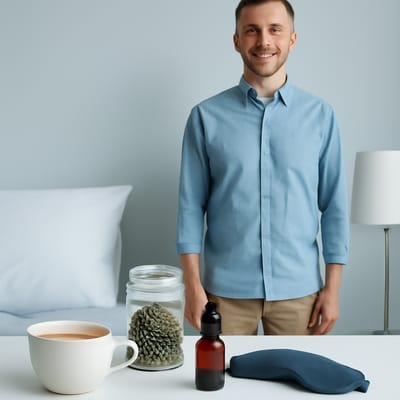
Most sleep problems fall into a few familiar patterns: trouble falling asleep, waking during the night, feeling unrested in the morning, or struggling with routines that never quite settle. Each pattern points toward a different type of support.
Natural and herbal support
Many people begin with natural sleep aids because they want gentler options. These may include chamomile, lemon balm, valerian, magnesium, or simple bedtime rituals. Natural support can be useful, but results are often modest and depend heavily on the habits around them.
Environmental support
If your room is too bright, noisy, warm, or stimulating, the best sleep aid may be a practical change instead of a supplement. Blackout curtains, white noise, lower evening light, and cooler temperatures often make a noticeable difference.
Behavioural support
Bedtime routines, caffeine timing, screen exposure, and meal timing affect sleep more than many people realise. Parents often find that routine structure improves sleep more effectively than buying multiple products. That same principle applies to adults whose evenings are busy, inconsistent, or mentally overstimulating.
Data and analytics
Sleep trackers and home sleep data can help you spot patterns, but only if they are used calmly. Their best role is to show trends and guide decisions, not to create pressure around every night.
This is why the sleep aids category works best as a connected system. Individual products can help, but the strongest results usually come from combining the right support with the right context.
How do natural sleep aids, magnesium, and routines fit together?

Natural sleep support works best when it is part of a routine rather than a substitute for one. Herbs and minerals may help you feel calmer, but they are unlikely to overcome late caffeine, bright screens, heavy meals, or a bedtime that shifts by hours through the week.
Natural sleep aids
Herbal options are often chosen for mild bedtime tension or difficulty switching off. They can be helpful when the main challenge is winding down, but they are not designed to solve every kind of poor sleep.
Magnesium and night-time support
Magnesium for sleep is frequently discussed because it may support relaxation for some people. It can make sense when diet quality is inconsistent or when physical tension is part of the picture. It is still best seen as one part of a broader strategy, not a guaranteed answer.
Routines that multiply results
A consistent wind-down routine can increase the value of any gentle sleep support. Helpful habits often include:
- Lowering light exposure in the hour before bed
- Limiting caffeine later in the day
- Keeping the bedroom cool and quiet
- Repeating a similar bedtime sequence most nights
This approach often works especially well for health-conscious adults who want a measured, test-and-learn method. It also helps parents simplify overstimulating evenings and gives older adults a way to assess whether herbal remedies are helping without introducing too many variables at once.
Several narrower topics sit under this umbrella, including natural sleep aids overviews, herbal sleep helpers, and routine optimization to pair with sleep support.
What can sleep tracking and deep sleep data really show you?
Sleep tracking has become one of the biggest parts of modern sleep support, but it is only useful when it improves your decisions. Apps, watches, rings, and sleep logs can help you notice trends in bedtime consistency, wake-ups, total sleep time, and estimated deep sleep. They are much less useful when treated as perfect measurements of what happened on one specific night.
Helpful uses for tracking
Tracking can help you identify:
- Whether your bedtime is stable or irregular
- How travel, alcohol, or stress affect sleep quality
- Whether a new routine or sleep aid seems to help over time
- Patterns linked to daytime energy and recovery
Common mistakes
Many people overreact to sleep scores. A device might label a night as poor even when you feel well, or report changes in deep sleep that are not meaningful on their own. The more useful question is whether the data helps you change something practical.
For health-conscious adults, this can make self-testing more structured. For parents, even a simple written sleep log may reveal more than an expensive wearable if the household routine is the main issue. Older adults may also find tracking helpful when trying to distinguish between age-related changes and patterns worth discussing with a clinician.
Used well, analytics support sleep. Used poorly, they become another source of bedtime stress. That balance matters.
How should UK adults choose sleep support safely and realistically?
Choosing sleep support well means being realistic about both benefits and risks. Gentle options can be helpful, but they still need to match the problem you are trying to solve. A supplement for relaxation will not fix a noisy room. A sleep tracker will not compensate for chronic sleep deprivation. A herbal remedy may not be appropriate if it clashes with medication or leaves you groggy the next morning.
A practical safety checklist
Before trying anything regularly, ask:
- What is my actual sleep problem?
- Is this for short-term disruption or a longer-term pattern?
- Could it interact with medicines or other supplements?
- Am I expecting too much from a mild product?
Older adults should be especially cautious with anything that increases morning drowsiness or affects balance. Parents usually benefit from separating adult sleep support from what is appropriate for children and focusing first on non-pharmacological routines. For UK consumers in general, it helps to think in layers: fix the environment, improve timing, add one targeted support, and then judge results calmly.
If you want a broader overview of the category organised around real-life needs, sleep by Use is the clearest route into the wider topic. It connects sleep aids with routines, tracking, magnesium, and temporary problems such as travel disruption.
Good sleep support should make life simpler, not more confusing.
What is the best way to build your own sleep aid plan?
The best sleep aid plan is usually simple, targeted, and easy to evaluate. Start by identifying your main problem, then build gradually instead of changing everything at once. This avoids wasted money and makes it easier to tell what is helping.
A workable framework
Use this sequence:
- Name the problem: falling asleep, frequent waking, light sleep, or irregular routine
- Fix the basics: light exposure, meal timing, caffeine timing, and bedroom setup
- Choose one support: a natural aid, environmental tool, or tracking method
- Watch patterns for one to two weeks: sleep onset, wake-ups, next-day energy
- Adjust slowly: keep what helps and remove what adds cost without value
This method works across the whole category. Health-conscious adults can use it to test sleep supports more logically. Parents can focus on the parts of the evening that reduce household friction. Older adults can pay closer attention to interactions, next-day grogginess, and whether benefits are meaningful enough to continue.
From here, the wider category opens up into more focused subjects: natural sleep aids and what to expect, herbal options like chamomile and valerian, comparisons between herbal and non-herbal aids, routine optimization, and travel sleep strategies for jet lag.
The goal is not to create the perfect bedtime system overnight. It is to build a sleep plan that fits your life and improves rest in a way you can actually sustain.
Frequently asked questions about sleep aids
What are sleep aids best used for?
Sleep aids are best used for specific problems such as difficulty winding down, temporary schedule disruption, mild bedtime tension, or environmental barriers to sleep. They tend to work best when paired with a consistent routine.
Are natural sleep aids always safer than other options?
Not always. Natural products can still interact with medications, cause grogginess, or be unsuitable for certain health conditions, so they should be chosen just as carefully as other sleep supports.
Should health-conscious adults rely on sleep trackers?
Sleep trackers can be useful if they help you notice trends and make practical adjustments. They are less helpful when they create anxiety or encourage you to chase perfect scores every night.
What helps parents seeking non-pharmacological sleep options most?
Parents often get the best results from calmer routines, lower evening stimulation, and a better sleep environment. Products may help, but household structure usually matters more.
Are herbal sleep remedies suitable for older adults?
They can be, but older adults should be especially cautious about medication interactions, morning grogginess, and balance-related risks. Starting slowly and checking with a pharmacist or clinician is sensible.
Does magnesium help with sleep?
Magnesium may help some people, especially when relaxation or low dietary intake is relevant. It is not a guaranteed fix, but it can be a useful part of a broader sleep strategy.
Can deep sleep trackers tell you exactly how well you slept?
They can provide estimates and trend data, but they are not perfectly accurate. Their main value is helping you spot patterns over time rather than delivering exact clinical measurements.
When should you get professional help for sleep problems?
If poor sleep lasts for weeks, affects daytime functioning, or comes with symptoms like loud snoring, breathing pauses, or severe fatigue, professional assessment is the better next step. At that stage, finding the cause matters more than trying more products.