Sleep by Use: Practical Sleep Support Guide 2026

Breadcrumb
What does sleep support by use actually mean?
Sleep support by use means choosing tools, habits, and products based on the problem you are trying to solve rather than chasing a one-size-fits-all answer. That matters because sleep difficulties often look similar on the surface while coming from very different causes. One person cannot switch off mentally, another wakes often during the night, and someone else sleeps poorly because their routine changes every few days.
This category brings together the main ways people approach better rest, including natural sleep aids, bedtime routines, nutrition, minerals, and simple sleep data. The goal is not to overwhelm you with options. It is to help you understand which type of support fits a real-world use case.
Common sleep support needs include:
- Falling asleep more easily when stress or overstimulation is the issue
- Improving sleep quality through nutrition, minerals, and routine changes
- Understanding patterns with basic tracking or home data
- Managing temporary disruption such as travel, changing schedules, or busy family evenings
For health-conscious adults, this often means creating a more measured, evidence-aware routine. For parents seeking non-pharmacological sleep options, the use case is often less about a single remedy and more about reducing bedtime friction across the household. Older adults exploring herbal sleep remedies may need an even more careful approach, especially when medication timing, pain, or lighter sleep become part of the picture.
Seen this way, better sleep starts with the right question: what is actually getting in the way tonight, and what type of help fits that problem best?
Which types of sleep support fit different nightly problems?
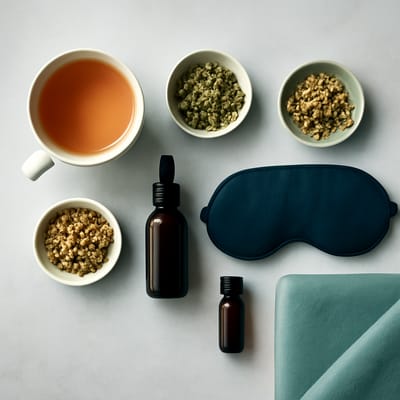
The most useful sleep categories are built around common obstacles. If your main challenge is falling asleep, calming strategies usually matter most. If your issue is staying asleep, the answer may involve environment, routine stability, or broader health factors rather than a bedtime product alone. If you feel tired despite sleeping enough hours, tracking and habit review may be more helpful than adding another supplement.
Natural and non-prescription options
Many people start with non-prescription sleep help because it feels accessible and low pressure. That can include:
- Herbal teas and botanical support
- Magnesium and other night-time supplements
- Eye masks, white noise, and blackout solutions
- Relaxation practices and low-light routines
Data and pattern recognition
Sleep apps and wearables can help when you need context. They are useful for spotting patterns in bedtime consistency, wake-ups, or the effects of late meals and alcohol. They are less useful when treated as perfect judges of deep sleep.
Nutrition and habits
Even small choices can affect sleep quality. Caffeine timing, heavy dinners, alcohol, and irregular bedtimes can all make gentle sleep supports seem weaker than they really are.
Some related topics naturally branch off from this category, including a natural sleep aids overview, a closer look at chamomile, lemon balm, and valerian, and a practical comparison of herbal versus non-herbal sleep aids. These become especially relevant once you know whether you need calming support, routine repair, or a better way to interpret what your nights are showing you.
How do routines, nutrition, and magnesium work together?

Sleep is often shaped by what happens in the final two to three hours before bed. That window affects your body temperature, digestion, stimulation level, and readiness to unwind. Because of that, routines and nutrition often determine whether a natural sleep aid feels helpful or disappointing.
The role of routine
A predictable night-time routine sends repeated signals that sleep is approaching. Useful habits often include dimmer lighting, less screen exposure, a lighter mental load, and a bedroom environment that feels calm rather than active.
The role of nutrition
Late caffeine, large meals, and alcohol can all interrupt sleep quality. By contrast, a steadier evening pattern helps reduce avoidable disruption. For many people, that matters more than adding multiple products.
Where magnesium fits
Magnesium for sleep is popular because it may support relaxation for some people, especially when muscle tension or low intake is part of the picture. It is not a cure-all, but it can fit sensibly into a broader plan when used with realistic expectations.
This combination is often where real progress happens. Health-conscious adults may want to test one change at a time and track the result. Parents often get the biggest payoff from simplifying and calming the household bedtime flow. Older adults may find that routine consistency matters just as much as herbal support, particularly when other health variables influence sleep.
Related topics in this category include night-time routine optimization to pair with sleep aids and broader guidance on magnesium and night-time support. Together, they help turn good intentions into habits that are easier to sustain.
What can sleep tracking tell you without becoming a distraction?
Sleep tracking is most helpful when it answers practical questions. Did you go to bed later than usual? Did alcohol affect your sleep continuity? Does a calmer routine seem to reduce wake-ups? Those kinds of patterns are useful because they lead to action.
What tracking does well
Basic tracking tools can help you:
- Spot inconsistency in bedtime and wake time
- Notice patterns after stress, travel, or late meals
- Compare how different routines affect next-day energy
- Build a more objective view of your sleep over time
What tracking cannot do perfectly
Consumer devices are not the same as clinical testing. Deep sleep estimates can be interesting, but they are best treated as directional rather than exact. If your score creates more anxiety than insight, the tool may be working against you.
For health-conscious adults, tracking can make sleep decisions feel more grounded. For parents, a simple written log may be enough when household disruptions are the main issue. For older adults, home data may help identify whether changes are occasional or consistent enough to discuss with a professional.
This category also touches on home sleep data, sleep-tracking apps, and practical ways to interpret trends without becoming obsessed with nightly numbers. The point is not to chase perfect metrics. It is to use information well enough to make better decisions about sleep support.
How should you build a sleep plan that matches real life?
A useful sleep plan starts with your actual pattern, not with whatever product is trending. If your evenings are stressful, choose calming strategies. If your schedule shifts constantly, structure may matter more than supplements. If travel disrupts your rhythm, temporary support may be more appropriate than building a nightly dependency on one solution.
A practical way to choose
Start here:
- Identify the main problem: sleep onset, frequent waking, light sleep, or schedule disruption
- Improve the basics: light exposure, caffeine timing, room setup, and bedtime consistency
- Add one targeted support at a time
- Track whether sleep quality and next-day energy improve
- Stop and reassess if results are unclear
This broad category includes several useful next-step topics. A natural sleep aids overview can help you understand what to expect from gentle options. Herbal sleep helpers such as chamomile, lemon balm, and valerian deserve a more detailed look before use. Travel sleep hacks become relevant when jet lag or temporary disruption is the real issue rather than everyday insomnia.
Parents often benefit from making the bedroom and routine calmer before buying products. Older adults should pay close attention to interactions, grogginess, and whether morning balance is affected. Across all audiences, the most effective sleep support tends to be simple, targeted, and consistent enough to evaluate honestly.
That is the real value of choosing sleep support by use: you spend less time guessing and more time matching the solution to the problem.
What should you know before trying sleep aids regularly?
Using sleep aids regularly, even natural ones, deserves a bit of caution. Gentle support can be helpful, but long-term habits are easier to justify when you know what problem you are addressing, what effect you are looking for, and what side effects would make the option less useful.
Good questions to ask before you buy
Consider these points:
- Is this meant for short-term disruption or ongoing support?
- Does it match my main sleep problem?
- Could it interact with medication or other supplements?
- Am I expecting a routine tool to perform like a sedative?
When to seek more help
Natural sleep support has limits. Persistent insomnia, loud snoring, breathing pauses, severe daytime fatigue, or rising anxiety around sleep may point to issues that need proper assessment rather than more experimentation.
This is especially important for older adults, who may already be balancing multiple medications, and for parents who want safer non-pharmacological options instead of defaulting to stronger solutions. Health-conscious adults may also need to remember that more tracking and more supplements do not always mean better results.
Broadly, this category is designed to help you understand the full landscape: natural aids, deep sleep tracking, nutrition, magnesium, routines, and practical UK-focused sleep habits. Once you know where your difficulty sits, the next steps become much easier to choose.
Frequently asked questions about sleep by use
What does sleep by use mean in practical terms?
It means choosing sleep support based on your specific problem, such as trouble falling asleep, disrupted routine, or poor sleep quality. This approach is usually more effective than using random products without a clear purpose.
Are natural sleep aids enough on their own?
Sometimes, but often they work best when paired with better routines, less evening stimulation, and a more consistent schedule. A gentle aid can support sleep, but it rarely fixes every cause of poor rest by itself.
Should health-conscious adults use sleep trackers every night?
They can, as long as the data helps rather than creates stress. Tracking is most useful for spotting patterns and testing changes, not for chasing a perfect score.
What sleep support tends to help parents seeking non-pharmacological options?
Parents often get the best results from calmer evening routines, lower stimulation, and practical environmental changes like darker rooms or white noise. Products may help, but routine usually does more of the heavy lifting.
Are herbal sleep remedies suitable for older adults?
They may be, but older adults should be especially careful about interactions, morning grogginess, and balance issues. Checking labels and speaking with a pharmacist or clinician is a sensible step.
Is magnesium a reliable sleep solution?
Magnesium may help some people, especially when relaxation or low intake is relevant, but it is not a guaranteed answer. It works best as one part of a broader sleep plan.
Can sleep tracking show whether you are getting enough deep sleep?
It can offer estimates and trend data, but consumer devices are not perfectly accurate. Their real value is helping you notice patterns and make more informed adjustments.
When should you stop self-managing sleep issues?
If poor sleep lasts for weeks, affects daily functioning, or comes with symptoms like loud snoring, breathing pauses, or severe fatigue, it is time to seek professional advice. At that stage, identifying the cause matters more than trying another product.